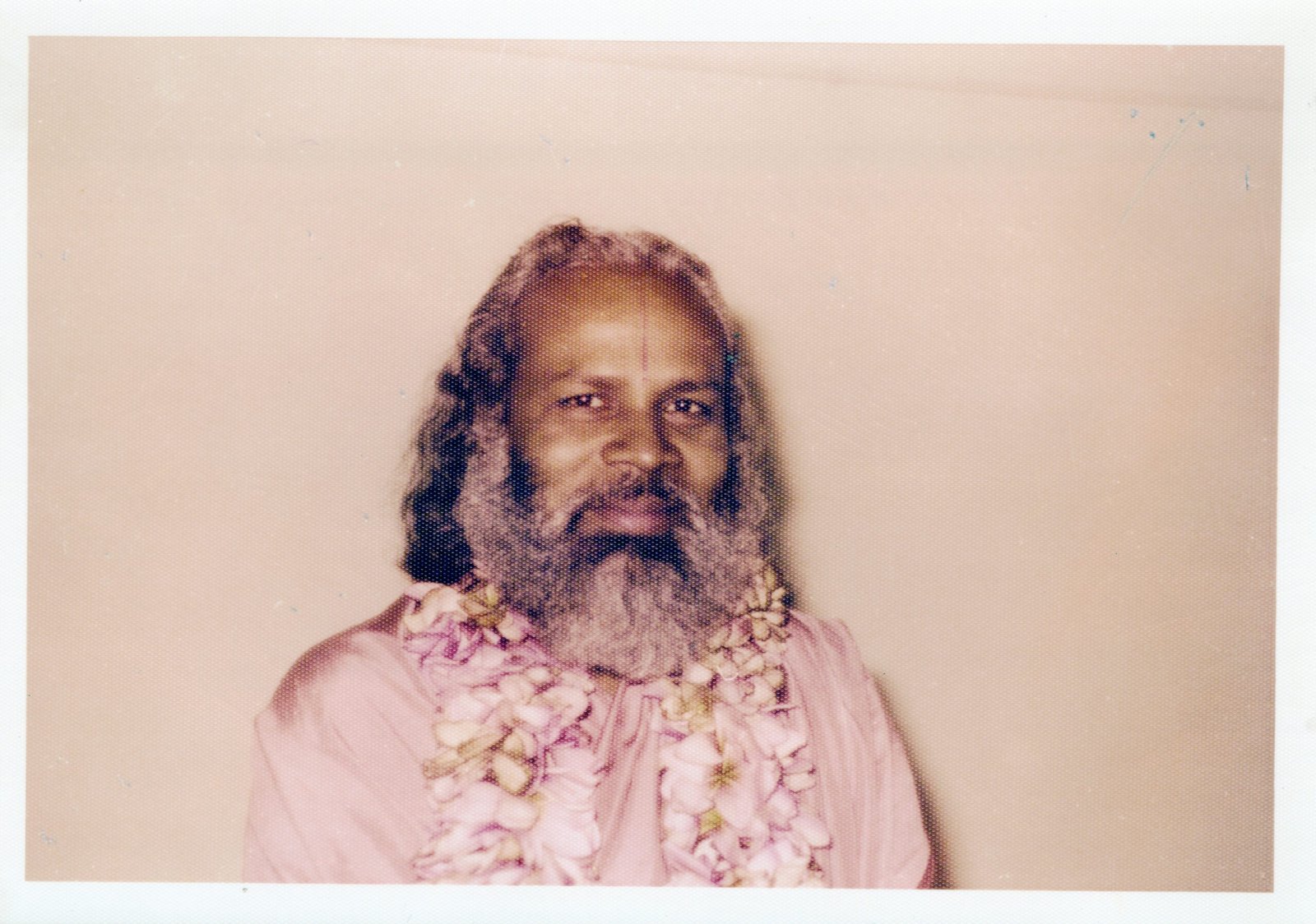
When a challenging situation becomes public, the mind does not stay quiet. It moves from one thought to another, replaying prior occurrences, attempting to answer questions it doesn’t have enough information to answer, while new questions keep forming, and on and on. At the same time, there is pressure to do something quickly. This combination creates an imbalance. Swami Prakashanand Saraswati explains that balance is not automatic. It has to be deliberately and consciously developed.
In a scandal, most people either think too much or act too fast. Both create problems. When thinking becomes excessive, it leads to confusion. The same situation gets replayed in different ways inside the mind; nothing becomes clear. On the other side, quick action without clarity often leads to regret. Words spoken or decisions made in haste can complicate the situation further.
The first shift is to slow down internally. Not externally, but within. Before taking any step, give your mind a small gap. Even a short pause can help to change our mental direction by reducing the intensity of our thoughts and bringing some order. Without this pause, action is usually driven by pressure, not greater understanding.
Another point Swamiji highlights is the difference between reacting and responding: reaction is immediate and emotional, while response is measured and intentional. In a public situation, especially during a scandal, this difference becomes very important. A reaction may satisfy the moment, but a response is more likely to be supported by greater clarity.
It is also important to recognize what actually needs to be acted upon. Not everything requires involvement. Some situations grow bigger because too many actions are taken. Reducing unnecessary steps is part of balance. When actions are limited and clear, their impact becomes stronger.
At the same time, complete inaction is not the answer. Balance does not mean avoiding decisions. It means choosing the right moment and the right way to respond. Timing matters. When the mind is settled, even a small action can be effective.
Another layer of balance comes from staying connected to daily life. When everything starts revolving around one situation, the imbalance increases. Continuing normal responsibilities creates stability – it prevents the mind from getting trapped in a single loop of thinking.
Swami Prakashanand Saraswati also points toward inner alignment. When the mind is not scattered, actions become simple. There is less doubt and less hesitation. This alignment comes from internal awareness and steady focus, not from external factors.
A scandal can disturb our thoughts and negatively influence our actions. Balance is what keeps both in check. Sometimes it is about doing less and thinking more, but overall, it relates to doing both in the right measure and at the right time.
Clarity does not come from speed; it comes from our efforts to create a positive balance.
Radhey, Radhey